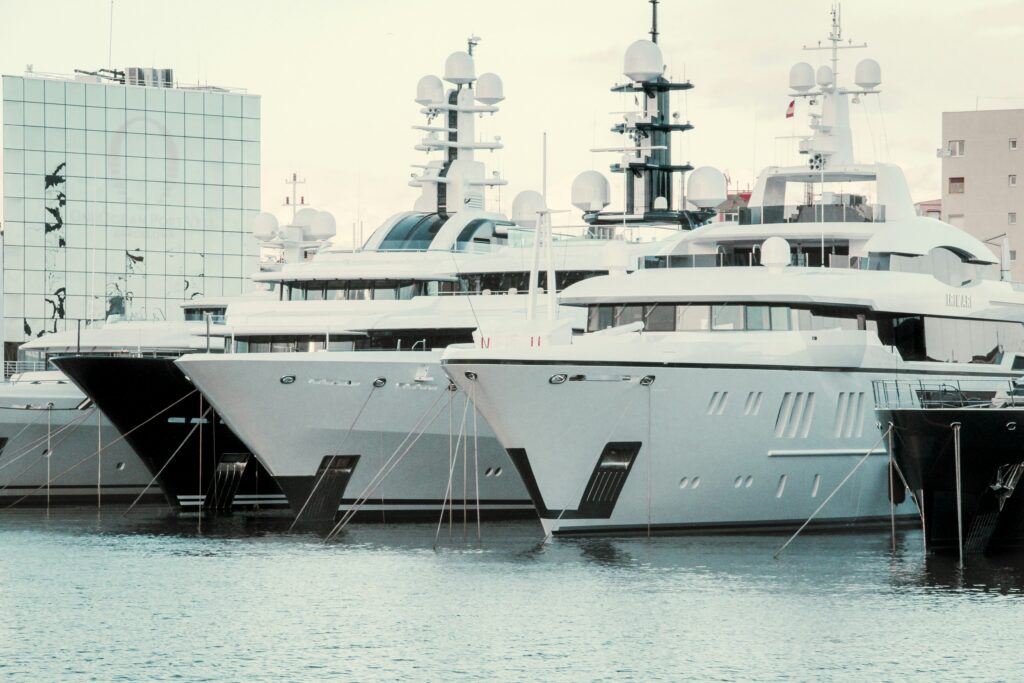
The yacht industry, once considered the epitome of luxury and exclusivity, has undergone dramatic evolution over the years, transitioning from classic sailing vessels to high-performance, technologically advanced superyachts. As the world of yachting continues to captivate the wealthy elite, the future of the industry seems poised for even more exciting changes. Whether driven by environmental concerns, advances in technology, or shifts in consumer preferences, the yacht industry is navigating towards new frontiers. This article explores what’s next for the yachts industry, focusing on the trends, innovations, and challenges that will shape its future. From sustainability efforts to cutting-edge design, the industry is poised for a new era that promises to be more eco-conscious, digitally connected, and innovative than ever before.
1. Sustainability and Green Yachting: The Shift Towards Eco-Friendly Solutions
The yacht industry, like many others, has come under increasing pressure to address its environmental impact. While yachts have long been associated with luxury and opulence, the increasing awareness of climate change and environmental degradation has prompted a shift in consumer attitudes. In the years to come, sustainability will be one of the primary driving forces in the yacht industry.
Hybrid and Electric Yachts
One of the most significant innovations in the industry is the rise of hybrid and fully electric yachts. These vessels combine traditional internal combustion engines with electric propulsion, significantly reducing fuel consumption and carbon emissions. Several yacht manufacturers, such as Sunreef Yachts and Silent Yachts, are already producing electric-powered and hybrid yachts that are not only eco-friendly but also silent and energy-efficient. This trend is expected to continue expanding as more manufacturers adopt green technologies to meet increasingly stringent environmental regulations and cater to eco-conscious buyers.
Alternative Fuels
Another significant development is the exploration of alternative fuels for yachts. Liquefied natural gas (LNG) is already being used in some high-end yachts as a cleaner alternative to traditional marine diesel. However, the true future of alternative fuels lies in hydrogen power, which offers the promise of zero emissions. The maritime industry is actively testing hydrogen-powered vessels, and it’s only a matter of time before these technologies make their way into the luxury yacht market. As fuel costs rise and the global push for cleaner energy intensifies, hydrogen and biofuels will play an increasingly prominent role in the future of the yacht industry.
Sustainable Materials
The use of eco-friendly materials is also driving sustainability in yacht construction. Manufacturers are increasingly turning to sustainable wood, recycled metals, and composite materials that reduce the carbon footprint of yacht production. The use of recyclable materials for interiors, such as sustainable fabrics and eco-friendly furniture, is also on the rise. The move towards sustainable yacht building practices not only aligns with environmental trends but also attracts a growing number of eco-conscious clients looking to reduce their environmental impact.
2. Technological Advancements: Smart Yachts for the Future
As the world becomes more connected, so too does the yacht industry. The future of yachting will be shaped by the integration of cutting-edge technology, making yachts smarter, safer, and more efficient. The concept of a “smart yacht,” where owners can control and monitor every aspect of their vessel via smartphone apps or integrated systems, is gaining traction rapidly.
Automation and AI
Artificial intelligence (AI) and automation are set to revolutionize the yacht industry. AI-driven systems will enhance navigation, optimize fuel efficiency, and provide advanced security features. For instance, AI can aid in real-time weather forecasting, ensuring a safe passage through the most challenging conditions. AI technology could also help monitor systems onboard, alerting the crew or owner of any potential issues before they become significant problems. These innovations will make yacht ownership more efficient, intuitive, and seamless.
Integrated Connectivity
Connectivity is becoming a central feature of modern yachts. With satellite internet and high-speed data transfer capabilities, yachts are now equipped to provide fast and reliable internet access even in the most remote corners of the world. The demand for onboard entertainment and connectivity continues to rise, and future yachts will integrate advanced technologies for streaming, teleconferencing, and entertainment. Owners will also expect more sophisticated systems that allow them to control everything from lighting to temperature and security through voice commands or apps.
Autonomous Yachts
While fully autonomous yachts are still in their infancy, they represent the next frontier for the industry. Some yacht builders, such as Rolls-Royce, are exploring the concept of self-driving yachts. These vessels will utilize sensors, GPS, and AI to navigate autonomously, enhancing safety and efficiency during travel. Although full autonomy may still be years away, the groundwork is being laid for a future where yachts can navigate the waters with little to no human input.
3. The Rise of Smaller, More Accessible Yachts
While superyachts continue to dominate the luxury market, there is a noticeable shift towards smaller, more practical yachts. Many buyers, particularly younger generations, are looking for more affordable yet still luxurious vessels that offer mobility, comfort, and versatility. This trend is also driven by the growing popularity of yacht charters and the desire for weekend escapes, where smaller yachts offer a more flexible and affordable alternative to the massive superyachts.
Compact Luxury
Smaller luxury yachts are designed to provide all the comforts of a larger superyacht but in a more compact and efficient package. These yachts still feature lavish interiors, advanced technology, and top-tier amenities, but are more user-friendly and easier to operate and maintain. For example, manufacturers like Azimut and Princess Yachts are building smaller yachts that are more environmentally friendly and efficient, yet still packed with luxurious features such as spacious cabins, outdoor dining areas, and water sports equipment.
Yacht Shares and Co-Ownership
The trend towards smaller yachts is also linked to the growing popularity of yacht shares and co-ownership models. These innovative programs allow multiple individuals or families to co-own a yacht, sharing the cost of purchase, maintenance, and operation. This model makes yacht ownership more accessible and affordable, especially for those who want to experience the luxury of yachting without the full financial commitment.
4. The Expanding Charter Market: Luxury for Everyone
While yacht ownership remains a symbol of luxury, yacht chartering has experienced exponential growth in recent years. More people are opting for chartered experiences, and the market for high-end yacht rentals is thriving. This trend is expected to continue as more people seek unique, bespoke travel experiences that provide the same level of luxury and exclusivity as yacht ownership but without the commitment.
Customizable Experiences
The future of yacht chartering lies in highly personalized experiences. Charter companies will increasingly offer custom itineraries, ensuring that each journey is tailored to the client’s specific desires. Yacht charters will cater to diverse, affluent needs. Activities include exploring islands, diving, and cooking classes. Advanced tech and the internet will simplify booking. Real-time availability and virtual tours will be standard.
Destination Diversity
Chartering will also see a rise in more diverse destinations. The Mediterranean and Caribbean remain top yachting spots. New destinations, such as Southeast Asia and the South Pacific, are emerging.
Polar regions are becoming more popular for yacht charters. These expanding destinations will attract a wider audience. Travelers will have access to exclusive, previously untapped locales.
5. Challenges Ahead: Economic Fluctuations and Environmental Regulations
As the yacht industry looks ahead, several challenges need to be addressed. Economic climate heavily impacts yacht sales. Luxury items, such as yachts, are often affected by downturns. Wealth distribution and taxes can influence demand. Economic fluctuations may challenge recent resilience.
Environmental regulations will also continue to shape the future of the yacht industry. Governments are implementing stricter rules to reduce emissions, waste, and ecological damage caused by yachts. This will require manufacturers to invest in new technologies and sustainable practices to comply with evolving environmental standards.
A New Era for Yachting
The future of the yacht industry promises to be one of innovation, sustainability, and inclusivity. As environmental concerns grow, new technologies will reshape the way yachts are built, powered, and operated. Smaller, accessible yachts will make luxury yachting more inclusive. The charter market will thrive, offering personalized experiences. Sustainability, technology, and customer focus will drive industry growth. The yacht industry is expected to remain dynamic and exciting for years to come.
As the industry moves forward, it will undoubtedly continue to push the boundaries of what is possible, combining luxury with responsibility and innovation with tradition. The journey ahead promises to be as thrilling as the yachts that navigate the open seas.